
Field Guide — Vetting · Updated September 4, 2026
Hiring a Contractor in Ohio, Trade by Trade
Generic hiring advice is generic because it has to cover fifteen different jobs at once. This does not. Here is what each trade actually involves, and the question worth asking before you book one.
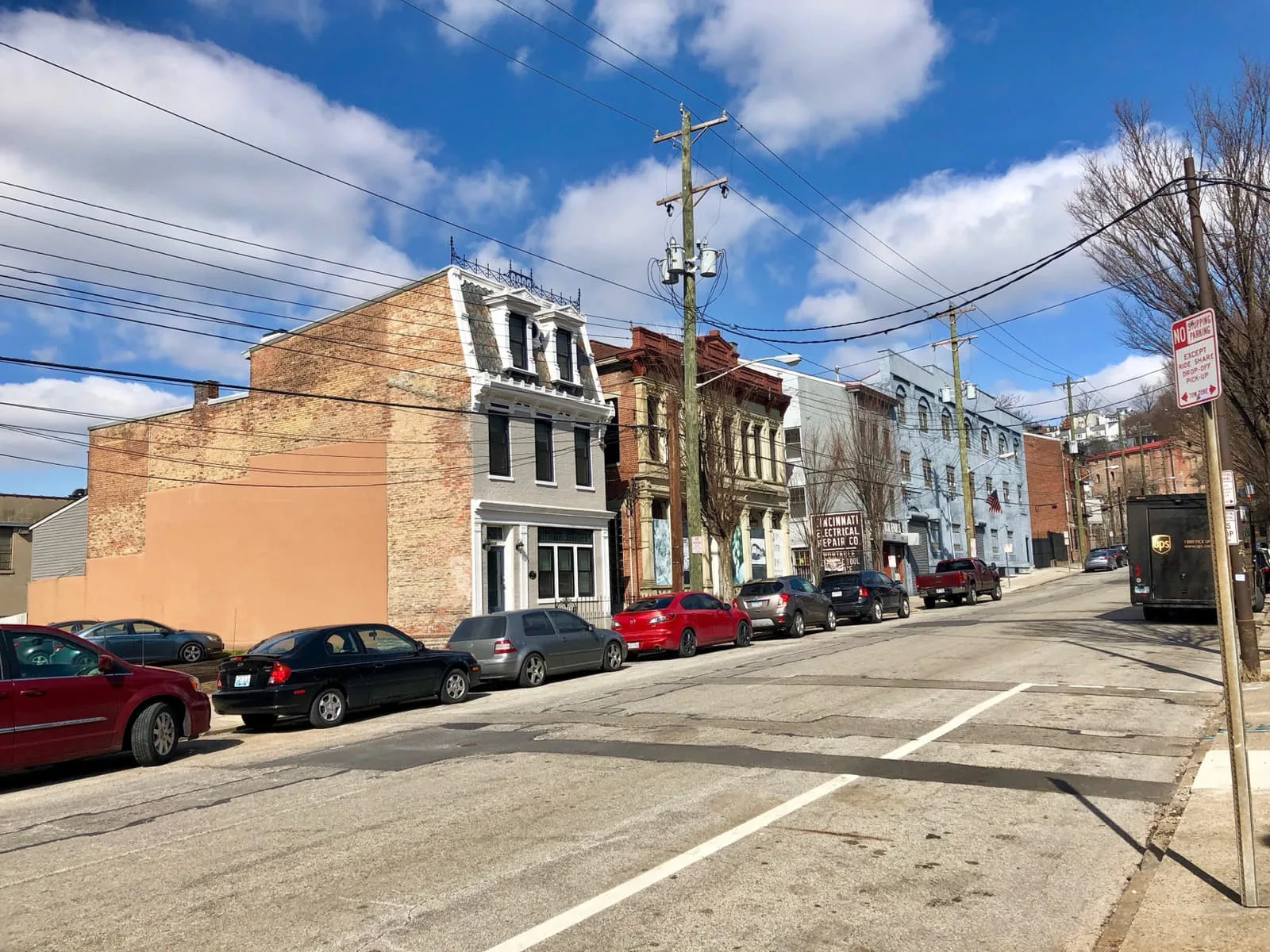
Warren LeMay · CC0 1.0 (public domain dedication)
.jpg)
Hiring a Contractor in Ohio, Trade by Trade
Most advice about hiring a contractor is written to cover every trade at once, which is why it comes out as “get three quotes and check references”. That is true, and it is nearly useless, because the thing that actually goes wrong on a roofing job is not the thing that goes wrong on a repipe.
So this is the specific version. For each trade: what the work actually involves, the one question worth asking on the call, and what is different about doing it here. The general five-step check still applies underneath all of it — how to choose a contractor covers that.
The urgent trades
These are the calls you make the same day, usually while something is actively going wrong. You will not be getting three comparable quotes at 2am, so the thing to agree before anyone drives out is the diagnostic or call-out fee.
HVAC
A replacement is a day or two of work, and the sizing matters more than the brand. An oversized furnace short-cycles, heats the house unevenly, and wears out sooner than a correctly sized one — and oversizing is common, because replacing like-for-like is faster than measuring.
Ask: whether the quote includes a load calculation for your house rather than a straight swap of whatever is there now, and whether hauling the old unit away is included.
Here: Cincinnati asks a system to handle humid summers and hard winter snaps in the same year. Spring and early autumn are the cheapest times to replace — book in a July heatwave and you are paying emergency rates for the same equipment. Our HVAC replacement cost guide has the installed ranges.
Plumbing
Most of the cost of a leak is reaching it. The repair itself is often quick; opening a wall or a ceiling, and putting it back afterwards, is the part that takes the day.
Ask: whether the quote covers closing up and patching afterwards or only the pipework. The two are frequently priced separately, and finding out after the fact is how a job doubles.
Here: a lot of the older housing stock still runs galvanized supply lines. If yours is one of them, a single repair can turn into a partial repipe once a plumber sees what is behind the wall — so ask what happens to the price if it does, before they open anything.
Electrical
Panel and service work means the power is off for a good part of a day, and usually involves a short coordination with the utility. It is not a job that finishes in an hour.
Ask: whether the quote includes the utility disconnect and reconnect, and who patches the drywall where new circuits are run. Both are common exclusions on an otherwise complete-looking estimate.
Here: plenty of pre-1960 houses are still on 60 or 100 amp service, which will not carry a heat pump, an EV charger and a modern kitchen at once. Worth pricing the upgrade before you buy the appliance rather than after.
Roofing
A full replacement is loud, messy and usually one to three days. What separates quotes is rarely the shingle — it is whether the old roof comes off, and what happens to any decking found rotten underneath.
Ask: how many layers are coming off, what the price per sheet is for replacing bad decking, and whether the dumpster and the nail sweep afterwards are in the number you were quoted.
Here: storm season runs spring into early summer, and it brings door-knockers with it. A company that turns up uninvited the day after hail, wants a signature immediately, and cannot give you a local address is the oldest scam in this trade. Anyone worth hiring will still be there next week.
Outdoor and seasonal work
Weather drives this half of the list. Most of it is worth booking before the season rather than during it, and most of it involves something buried, growing, or draining that the quote needs to account for.
Concrete
Flatwork is priced by the square foot, but it lives or dies on what is underneath — the base preparation, the thickness, and whether control joints are cut where the slab will want to crack anyway.
Ask: for the slab thickness, what reinforcement is going in, and where the control joints will be cut. A quote that names none of those is not comparable to one that does.
Here: freeze-thaw is hard on concrete. A drive poured thin, or poured late in the season without protection from an early frost, will show it within a couple of winters — so pouring dates are worth asking about between roughly November and March.
Landscaping
There are two different businesses under this heading: design-and-install, which is a project with a start and an end, and maintenance, which is a recurring contract. Get clear which one you are buying before you compare prices.
Ask: what happens to plants that do not survive the first season. Some companies replace them once as standard and some do not, and it is rarely mentioned unless you raise it.
Here: much of Greater Cincinnati sits on heavy clay that drains slowly and compacts hard. Ask how a design handles water — a bed that holds water through a wet spring will kill plants that would have been fine two streets away.
Tree service
Removal and trimming are different jobs at different prices. Removal is priced on size, access, and what the tree is standing next to: a big tree over a roof costs several times what the same tree costs in an open yard.
Ask: whether stump grinding and hauling the wood away are included or extra, and get the answer in writing. They are the two items most often left out of a low quote.
Here: anything near a power line changes the job. The utility will usually deal with growth into its own lines at no charge, so it is worth a call to them first rather than paying a crew for work that is not yours to pay for.
Fencing
The fence itself is straightforward. The two things that delay jobs are the property line and what is buried along it, and neither is the builder’s to guess at.
Ask: who is confirming the property line, and who is calling in the utility locates. Locates are free and take a few working days, so a contractor who wants to dig tomorrow has not called them.
Here: rules on height, setback and which side faces out vary a lot between the cities and the townships, and a shared line usually means a conversation with the neighbour first. A builder who works in your specific place will already know which rules apply.
Gutters
Seamless gutter is formed on site from a roll, so it comes in one piece per run rather than in jointed sections. It costs more than sectional, and it is the reason a good gutter job does not drip at the seams.
Ask: where the downspouts will discharge. Water dumped at the foundation is the most common cause of a wet basement, and extending a run away from the house is cheap at install and expensive later.
Here: the mature tree cover across a lot of these neighbourhoods makes guards worth pricing rather than dismissing — but ask which kind, because fine mesh and simple screens behave very differently under the seed and leaf load.
Pressure washing
Not everything should be hit with high pressure. Siding, older brick and anything painted are normally cleaned with a low-pressure soft wash and a detergent; concrete is what the high-pressure gear is for.
Ask: what pressure and what solution they intend to use on your particular surfaces, and what they do to protect planting beds from the runoff.
Here: the tree cover and the humidity mean north-facing walls green up with algae fast. A wash that kills the growth rather than just blasting it off will stay clean noticeably longer.
Projects and repairs
The work you schedule rather than react to. Preparation and specification are what separate the quotes.
Painting
Preparation is the job. Washing, scraping, filling, caulking and priming is where the time goes, and it is the difference between paint that lasts two years and paint that lasts eight.
Ask: exactly what prep is included and how many coats are being quoted. Two quotes for the same house can differ by half on prep alone, and the paint on top will look identical the week it goes on.
Here: if the house predates 1978 it may have lead paint under the current colour, which changes how the surface should be sanded and contained. Ask how they plan to handle the dust before anyone starts scraping.
Drywall
Finishing is most of the job, not hanging. A patch that is invisible and a patch that shows in afternoon light are the same work plus a couple more coats and a lot more sanding.
Ask: how they will match the existing texture, and what they do about dust. Containment and clean-up vary enormously between contractors, and it is the part homeowners regret not raising.
Here: older houses are frequently plaster rather than drywall. Patching plaster is a different skill and a different price, so say which you have when you call — it saves everyone a wasted visit.
Garage doors
Most call-outs are one of three things: a broken spring, a failed opener, or a door that has come off its track. Only the third usually looks dramatic, and it is often the cheapest of the three to put right.
Ask: if a spring has gone, whether both are being replaced. They wear at the same rate, and replacing one leaves you paying a second call-out within a year.
Here: torsion springs are rated in cycles rather than years, so a household opening the door six times a day wears one out far faster than a two-car, once-a-day household. Mention your usage when you ask about upgrades.
Pest control
General pest work and termite work are different treatments at different prices, and a general quarterly plan usually does not cover termites. Check which one you are actually buying.
Ask: what the follow-up looks like if the problem comes back inside the guarantee period, and whether that return visit costs anything. That, rather than the first treatment price, is what separates the plans.
Here: the seasonal pattern is fairly predictable — ants and stinging insects through late spring and summer, rodents pushing indoors as it turns cold. Booking before the season is both cheaper and easier to schedule.
Handyman
This is a trade priced on time rather than on the job, and almost everyone has a minimum call-out. One small task on its own is rarely good value.
Ask: what the minimum charge is, and whether they will work through a list in a single visit. Batching six small jobs into one trip is where the saving is.
Here: bigger jobs in the specialist trades — new circuits, gas work, main drain lines — are normally not handyman territory, and a good one will tell you so and point you at a specialist. Treat that as a sign of a decent operator rather than a brush-off.
The one question that works on every trade
What is not included? Almost every unpleasant surprise on a home project is something you assumed was in the price and the contractor assumed was extra. Ask what falls outside the number and you surface most of the risk in a single question.
Browse every trade we cover to find companies working in yours, or start with contractors serving Cincinnati. Each trade page carries the same questions alongside the businesses that do that work.
Common questions
What is the most useful question to ask any contractor?
What is not included. Almost every unpleasant surprise on a home project is something the homeowner assumed was in the price and the contractor assumed was extra — hauling the old unit away, patching the wall afterwards, replacing rotten decking, the dumpster. Ask what falls outside the quoted number and you will surface most of the risk in one question.
Why do quotes for the same job differ so much?
Usually because they are not the same job. One roofing quote strips the old roof and one lays over it; one plumbing quote closes the wall and one leaves it open; one paint quote includes two days of preparation and one includes an hour. Write the scope down before you call anyone and ask every company to price that same scope — then the differences mean something.
Which trades should I book ahead of the season?
HVAC replacement is cheapest and easiest to schedule in spring and early autumn rather than during a heatwave or a cold snap. Concrete wants to avoid a late-season pour before an early frost. Pest control is easier to book before the seasonal surge than during it. Roofing gets busy after spring storms, which is also when the door-knockers appear.
What is different about hiring in the Cincinnati townships?
Roughly half of Greater Cincinnati lives in an unincorporated township rather than a city, and the rules that apply to fences, setbacks and building work are the township's or the county's rather than the City of Cincinnati's. A contractor who works in your specific place will already know which; one who has to look it up may not have worked there before.
Sources
Everything above traces to a public record. These are the ones it traces to — all free, all open to you without us.